
Maintaining a healthy, pristine yard requires continuous effort and a firm understanding of plant biology. Invasive plants steal water, sunlight, and vital nutrients from the grass, causing severe damage over time. Implementing reliable weed control is necessary to protect the property’s aesthetic appeal and biological balance. The battle against invasive growth requires a deep evaluation of both preventative measures and direct treatment applications. Without intervention, aggressive plant species quickly overtake domestic turf, smothering the root systems of preferred grass varieties. Recognizing the biological mechanics of these invasive species allows property owners to apply the exact solutions needed for long-term turf health.
What Distinguishes Prevention from Direct Treatment?
Property owners face two distinct phases in managing unwanted vegetation. Prevention focuses entirely on stopping seeds from germinating beneath the surface. Treatment addresses plants that have already broken through the soil surface and begun photosynthesis. Balancing these two phases dictates the success of any property maintenance program. A thorough lawn care program focusing on fertilization and weed control establishes a strong foundation against intrusive species. By stopping the initial germination phase, the need for heavy chemical applications later in the season drops significantly.
Core Preventative Measures to Block Germination
Stopping seeds before they sprout relies on several mechanical and chemical practices. Maintaining a thick, healthy turf limits the sunlight reaching the soil surface, suppressing seed germination.
- Mowing Height Adjustments: Keeping grass blades taller shades the root zone. This cooling effect prevents invasive seeds from receiving the warmth required for sprouting. Taller grass blades also produce deeper root structures, allowing the turf to survive drought conditions while choking out weaker competing seeds.
- Pre-Emergent Herbicides: Applying these barriers in early spring creates a chemical wall in the topsoil. This wall halts cellular division in germinating seeds. Timing the application correctly guarantees the barrier forms before the soil temperature reaches the critical germination threshold.
- Irrigation Management: Deep, infrequent watering promotes deep grass roots. Shallow, daily watering encourages shallow-rooted invaders like crabgrass and nutsedge. Forcing the turf to reach deeper for moisture creates a resilient root network capable of outcompeting newly sprouted seeds.
How Does Soil Composition Affect Weed Control Success?
The physical condition of the earth beneath the grass dictates the turf’s ability to resist invaders. Compacted soil favors plants with aggressive taproots, such as dandelions. Aerating the ground allows oxygen, water, and nutrients to penetrate deeply, favoring the preferred grass types. Relying on the expertise of Molloy Lawn & Landscape provides access to precise soil analysis and structural improvement techniques. Adjusting soil pH alters the growing environment, making it less hospitable to common yard pests. Clover thrives in nitrogen-deficient soil, meaning a proper nutrient application forces the clover out naturally by boosting the surrounding grass. Fixing the underlying soil structure reduces the total number of invasive plants attempting to colonize the area.
What Are the Most Reliable Direct Treatment Methods?
Once unwanted plants mature, direct intervention becomes mandatory. Relying solely on preventative barriers leaves vulnerabilities during extreme weather variations. Implementing active weed control eliminates mature vegetation competing with the primary turf for resources.
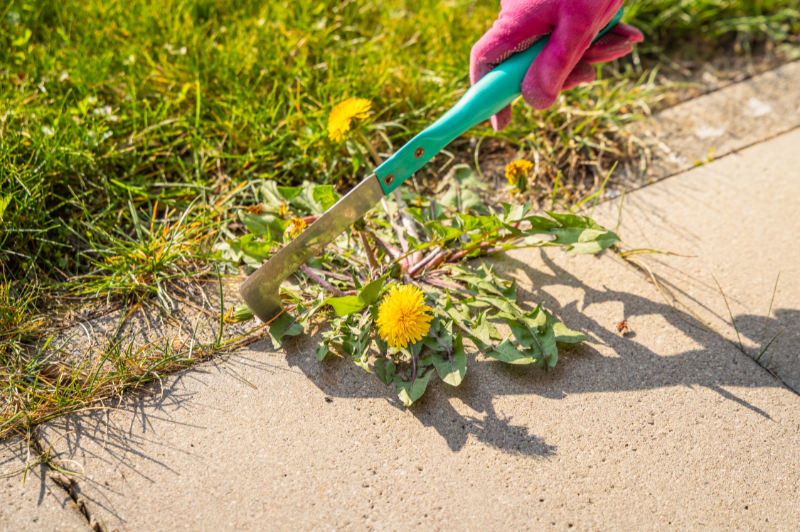
- Manual Extraction: Pulling plants by the roots remains highly effective for minor infestations. Removing the entire root system prevents immediate regrowth. This mechanical method requires tools designed to extract the entire taproot without fracturing it beneath the surface.
- Post-Emergent Herbicides: These compounds target the foliage of existing plants. The chemicals travel down the vascular system to destroy the root mass. Formulations exist to target broadleaf species without harming the surrounding narrow-leaf grass.
- Spot Treatments: Applying targeted solutions directly to individual plants reduces chemical exposure to the surrounding healthy grass. This targeted application protects the microscopic biome living within the topsoil, maintaining organic harmony across the yard.
Why Do Different Seasons Require Different Weed Control Tactics?
Weather variations dictate the lifecycle of invasive plants. Spring introduces warming soil temperatures, triggering a massive germination phase for annual summer species. Applying preventative barriers during this window stops crabgrass and foxtail from establishing dominance. Fall presents a completely different biological challenge. During autumn, perennial plants transfer energy from their leaves to their roots for winter storage. Modifying the weed control schedule according to precise temperature milestones improves overall efficacy. Applying post-emergent treatments during the fall forces the plant to pull the applied chemicals deeply into its root system, guaranteeing complete eradication before the first freeze.
Can Property Owners Combine Mechanical and Chemical Approaches?
Integrating multiple tactics yields the highest success rate against stubborn yard invaders. Relying on a single tactic allows resistant species to thrive and multiply rapidly. Creating a layered defense blocks multiple avenues of weed establishment simultaneously.
- Overseeding Thin Areas: Adding new grass seed to sparse patches physically crowds out competing seeds. Dense turf acts as the primary physical barrier against airborne seeds dropping into the yard.
- Consistent Nutrient Applications: Proper fertilization strengthens the grass, enabling it to outcompete other vegetation for available resources. Well-fed grass expands laterally to heal damaged areas quickly.
- Targeted Chemical Applications: Using specialized compounds only when mechanical methods fail reduces environmental impact while maintaining a pristine appearance. Combining these techniques creates a highly uninviting environment for any intrusive vegetation attempting to root.
What Are the Severe Risks of Ignoring Intrusive Vegetation?
Allowing unwanted plants to mature creates long-term hazards for the property. A single mature dandelion produces thousands of seeds, guaranteeing a massive infestation during the following growing season. Certain species release toxic compounds into the ground, actively poisoning the surrounding grass in a process known as allelopathy. Ignoring necessary weed control leads to turf thinning, soil degradation, and eventual property devaluation. Invasive species harbor destructive insects and promote fungal diseases that spread rapidly across the yard. The longer these plants remain active, the more difficult and labor-intensive the eventual extraction process becomes.
How Often Should Applications Occur Throughout the Year?
The timing and frequency of interventions depend heavily on the exact regional climate and local plant varieties present on the property. Standard maintenance schedules include multiple application rounds spaced evenly throughout the active growing season. Early spring targets germinating summer annuals before they break the surface. Late spring addresses early-sprouting broadleaf varieties competing for peak sunlight. Summer applications target mature, heat-loving invaders that survived the initial spring treatments. Fall applications destroy deep-rooted perennials preparing for winter dormancy. Executing a rigid weed control calendar leaves zero gaps in the protective barrier.
What Are the Identifiable Signs of a Successful Protocol?
Monitoring the property following an intervention reveals the effectiveness of the chosen tactic. Successful applications display visible wilting and discoloration within a few days of contact. The stems curl, the leaves shrivel, and the foliage turns brown or yellow. Over several weeks, the root structure dissolves completely, allowing the surrounding grass to expand into the newly vacated space. Consistent evaluation of the property allows for rapid adjustments if certain stubborn species resist the initial weed control application. Observing the decomposition of the treated plants confirms that the root mass has been neutralized and will not return the following spring.
Securing Long-Term Property Health
Protecting the visual appeal and biological stability of a yard requires consistent action and professional knowledge of plant biology. Property owners must remain vigilant against aggressive plant species seeking to colonize the ground. Committing to a scheduled, rigorous weed control regimen secures the turf’s health against constant environmental threats. Maintaining this protective standard requires exact timing, correct product selection, and proper mechanical practices to sustain a thick, vibrant lawn. To establish a powerful defense against intrusive vegetation and maintain a pristine yard year-round, schedule a consultation with our property specialists today.