
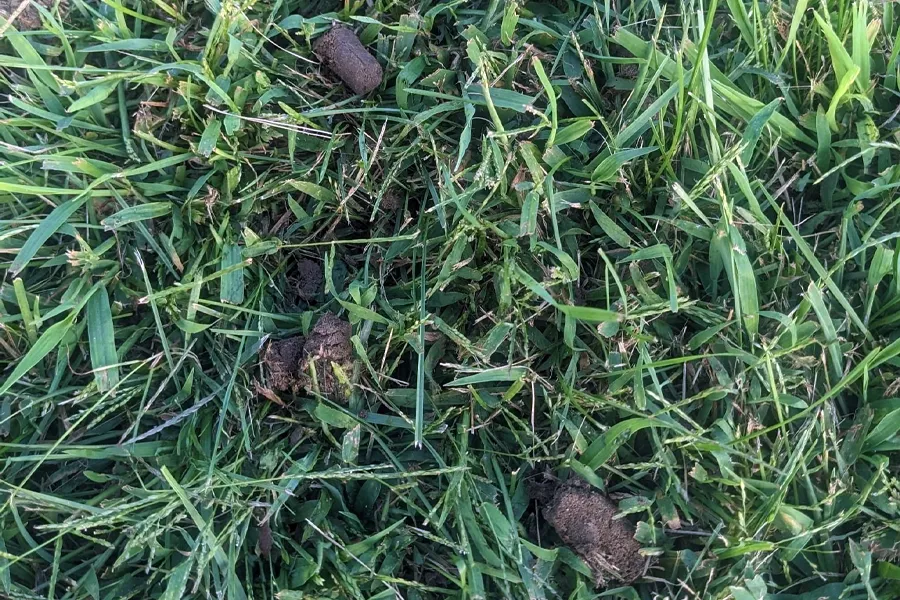
How Soil Conditions in Milton Affect Your Lawn’s Health
In Milton, MA, one of the biggest factors affecting lawn health is something many homeowners never actually see — the soil underneath the grass. In our experience working on properties throughout Milton and nearby towns like Quincy, Braintree, and Canton, soil conditions are often the reason lawns struggle with thin turf, standing water, weeds, or inconsistent growth. Many neighborhoods here have dense, clay-heavy soil that holds moisture longer than homeowners expect, especially after snow melt and spring rain. Combined with mature trees, older properties, and changing seasonal conditions, the soil in Milton behaves very differently than in many other Boston suburbs.
Why Soil Health Matters for Your Lawn
Healthy grass starts with healthy soil.
What soil affects
- Root growth
- Water absorption
- Nutrient availability
- Drainage
- Weed resistance
Why this matters in Milton
In the Boston Area in Milton Massachusetts, lawns often experience compacted soil conditions that make it harder for roots to grow deeply and evenly.
Even regular watering and fertilization may not help if the soil underneath the lawn isn’t functioning properly.
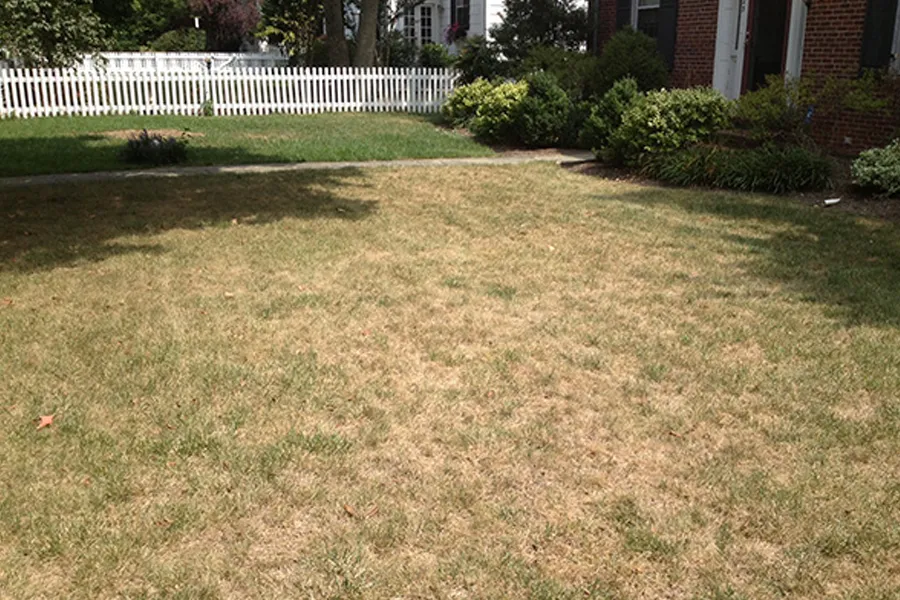 Clay-Heavy Soil Creates Drainage Challenges
One of the most common conditions we see in Milton is dense, clay-influenced soil.
Signs of clay-heavy soil
- Water pooling after rain
- Soil staying soft for long periods
- Hard ground during dry weather
- Thin or patchy grass
Why this affects lawn health
Clay soil:
- Holds water longer
- Drains more slowly
- Compacts easily under traffic
This often creates a cycle where lawns stay too wet during spring but become hard and stressed during summer heat.
From the field: We frequently see lawns in Milton that remain soggy days after rain because the soil underneath can’t drain efficiently.
Soil Compaction Is a Major Problem in Milton
Compaction is one of the biggest hidden lawn issues in this area.
What causes compaction
- Snow pile storage
- Repeated foot traffic
- Heavy mowing equipment
- Wet spring conditions
What compaction does
- Restricts root growth
- Prevents water absorption
- Reduces oxygen in the soil
- Weakens overall turf health
Why it’s common locally
Older Milton neighborhoods often have lawns that have been compacted gradually over decades.
In the Boston Area in Milton Massachusetts, compacted soil is one of the most common reasons homeowners struggle with recurring lawn problems despite regular maintenance.
Mature Trees Change Soil Conditions
Milton is known for mature landscapes and tree-lined streets, which significantly affect soil behavior.
Common tree-related soil issues
- Roots competing with turf for nutrients
- Increased shade and moisture retention
- Dry soil under large trees during summer
- Uneven growth patterns
Why this matters
Lawns near mature trees often require:
- Different watering practices
- Adjusted fertilization timing
- Specialized overseeding approaches
Experience insight: We often treat shaded backyards differently than sunny front lawns because soil moisture and root competition vary so much across the same property.
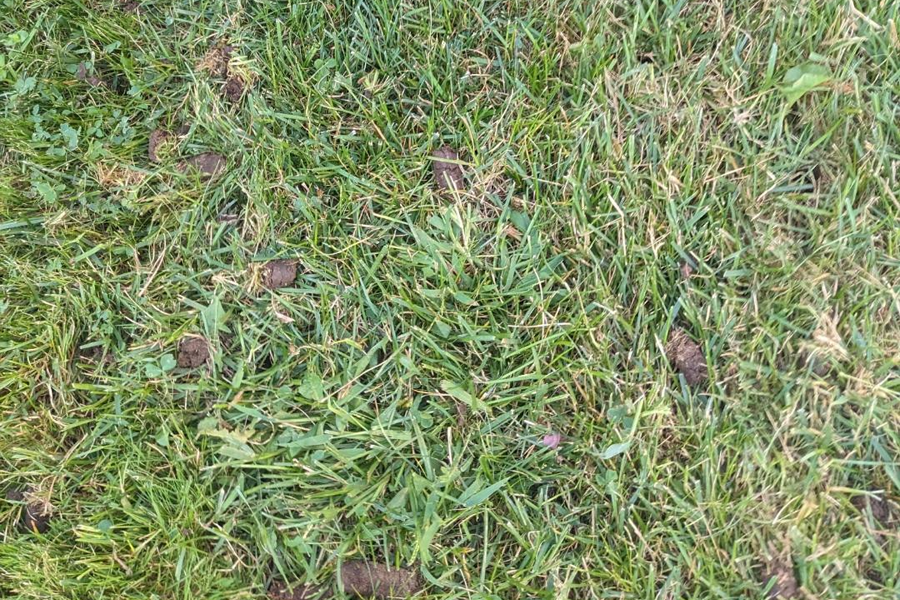 Poor Soil Leads to More Weeds and Thin Turf
Weak soil conditions create ideal environments for weeds.
What we commonly see
- Crabgrass in compacted areas
- Thin turf near sidewalks
- Uneven lawn density
- Repeated bare spots
Why this happens
When grass roots struggle, weeds take advantage of the open space.
Milton lawns with poor drainage or compacted soil often experience recurring weed pressure because healthy turf can’t fully establish itself.
How Professional Lawn Care Helps Improve Soil Conditions
Improving soil health usually takes a long-term approach.
Services that help
- Aeration
- Overseeding
- Proper fertilization timing
- Consistent mowing practices
Why aeration matters
Aeration helps:
- Relieve compaction
- Improve airflow
- Increase water absorption
- Encourage deeper roots
Many homeowners combine aeration with our professional lawn maintenance services to gradually improve lawn health over multiple seasons.
Seasonal Weather Makes Soil Management More Important
Milton’s seasonal weather patterns constantly affect soil conditions.
Seasonal changes we see
- Spring oversaturation from snow melt
- Summer soil hardening during heat
- Fall recovery during cooler weather
- Winter compaction from snow piles
Why timing matters
Treatments and maintenance need to adjust throughout the year based on how the soil is responding.
From the field: We often see homeowners apply treatments too early in spring before the soil is ready, which can limit effectiveness and increase stress on the lawn.
What We See Across Milton Properties
After years of maintaining properties across Milton, Randolph, Holbrook, and Hingham, a few soil-related patterns consistently stand out:
- Shaded lawns retain moisture longer
- Sidewalk edge turf struggles from salt exposure
- Older lawns have layered compaction
- Sunny lawns dry out quickly during summer
These local conditions require more than generic lawn care advice.
Molloy Lawn & Landscape follows professional standards, maintains full insurance coverage, and develops lawn care plans based on firsthand experience managing local soil conditions.
Why Local Experience Matters for Lawn Health
Soil conditions can vary dramatically even between neighboring properties in Milton.
Why local knowledge helps
- Identifying drainage problems early
- Timing aeration correctly
- Adjusting fertilization to local soil conditions
- Understanding how shade impacts turf growth
Long-term lawn health usually comes from working with the soil, not against it.
FAQs — Soil Conditions & Lawn Health in Milton, MA
Why does my lawn stay wet so long after rain in Milton, MA?
Many Milton properties have clay-heavy soil that drains slowly, especially in shaded areas or older neighborhoods. Spring snow melt and mature tree cover can also keep moisture trapped longer than expected. Compacted soil often makes the problem worse.
When is the best time to aerate lawns in Milton, Massachusetts?
Early fall is typically the best time because the soil is still warm and grass can recover more effectively. Many Milton lawns benefit from aeration after dealing with summer stress and long-term compaction from seasonal traffic and weather.
Can poor soil really cause weeds and thin grass in Milton?
Yes. Weak or compacted soil limits healthy root growth, which creates open areas where weeds can spread more easily. Many lawns in Milton struggle with recurring weed issues because the underlying soil conditions were never properly addressed.
A Helpful Tip for Milton Homeowners
One of the biggest lawn issues we see in Milton, MA starts below the surface. If your lawn stays soggy after rain, feels hard during summer, or struggles with thin grass year after year, the soil may be the real problem. Many local properties have compacted, clay-heavy soil that limits drainage and root growth, especially after winter snow and spring moisture. Improving soil health gradually through aeration, proper mowing, and consistent maintenance usually leads to stronger, healthier lawns over time. If you’d like help evaluating your lawn conditions, feel free to call, request a quote, or schedule service with our local team.
Wrapping Up Lawn Care & Soil Health in Milton, MA
Healthy lawns in Milton begin with understanding the soil underneath them. Compaction, drainage issues, mature tree cover, and seasonal weather all affect how turf grows and responds throughout the year.
In our day-to-day work across Milton and surrounding communities, we consistently see the best lawn improvements happen when soil conditions are addressed properly and consistently over time. If you’d like help improving your lawn’s health from the ground up, Molloy Lawn & Landscape is here to help. You can call, request a quote, or schedule service anytime.