

Professional Lawn Fertilization in Milton, MA: What Homeowners Need to Know for a Healthier Lawn
If you’ve lived in Milton, Massachusetts for any length of time, you already know, your lawn doesn’t behave like the ones you see in generic lawn care guides.
Between heavy clay soil, unpredictable spring weather, and a mix of sun and shade from mature trees, growing a thick, healthy lawn here takes more than throwing down a bag of fertilizer from the hardware store. It takes strategy, timing, and local experience.
That’s where professional lawn fertilization comes in.
At Molloy Lawn & Landscape, we’ve worked on lawns all across Milton, as well as nearby towns like Braintree, Quincy, and Hingham. And one thing is consistent: lawns that receive properly timed, professionally applied fertilization outperform DIY lawns every single season.
In this guide, we’ll break down exactly what Milton homeowners need to know—from timing and common mistakes to what a professional lawn fertilization program actually looks like.
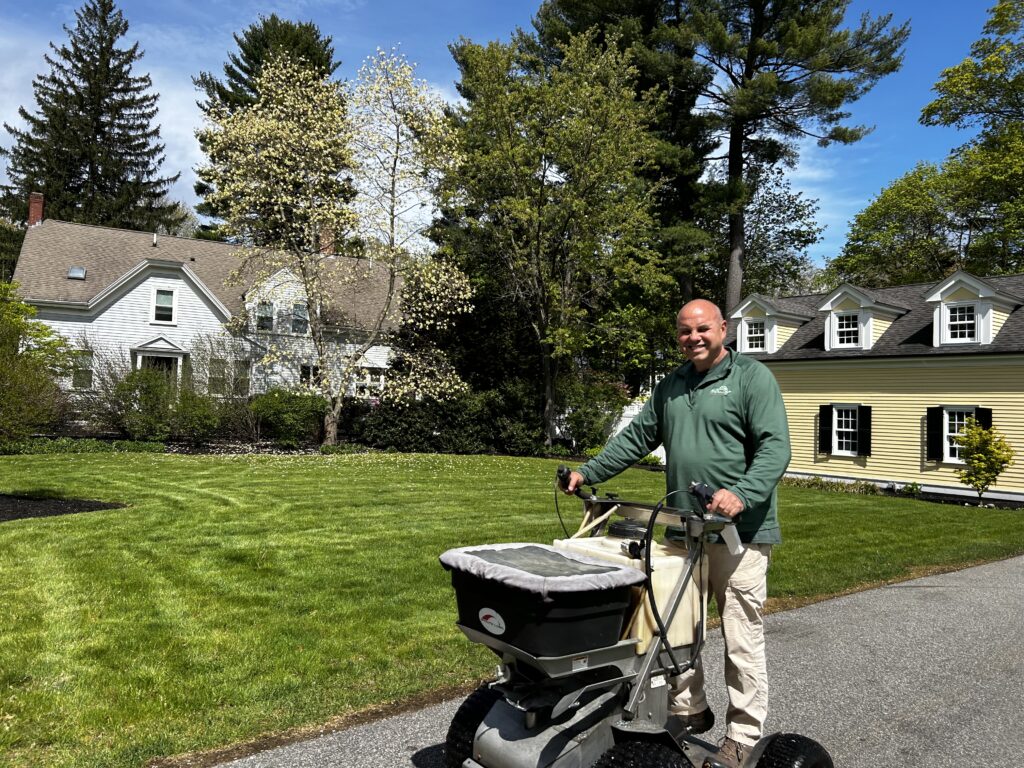
Why Professional Lawn Fertilization Matters More in Milton, MA
Lawn fertilization isn’t just about greener grass—it’s about helping your lawn survive and thrive in local conditions that naturally work against it.
Local Challenges That Impact Your Lawn
Milton lawns face a unique combination of environmental factors:
- Clay-heavy soil that holds water and compacts easily
- Coastal weather patterns that delay spring soil warming
- Long winters with heavy snow cover
- Sudden growth spurts in spring followed by summer stress
- Shade from established trees in older neighborhoods
All of these factors affect how your lawn absorbs nutrients—and whether fertilization actually works.
Why DIY Fertilization Often Falls Short
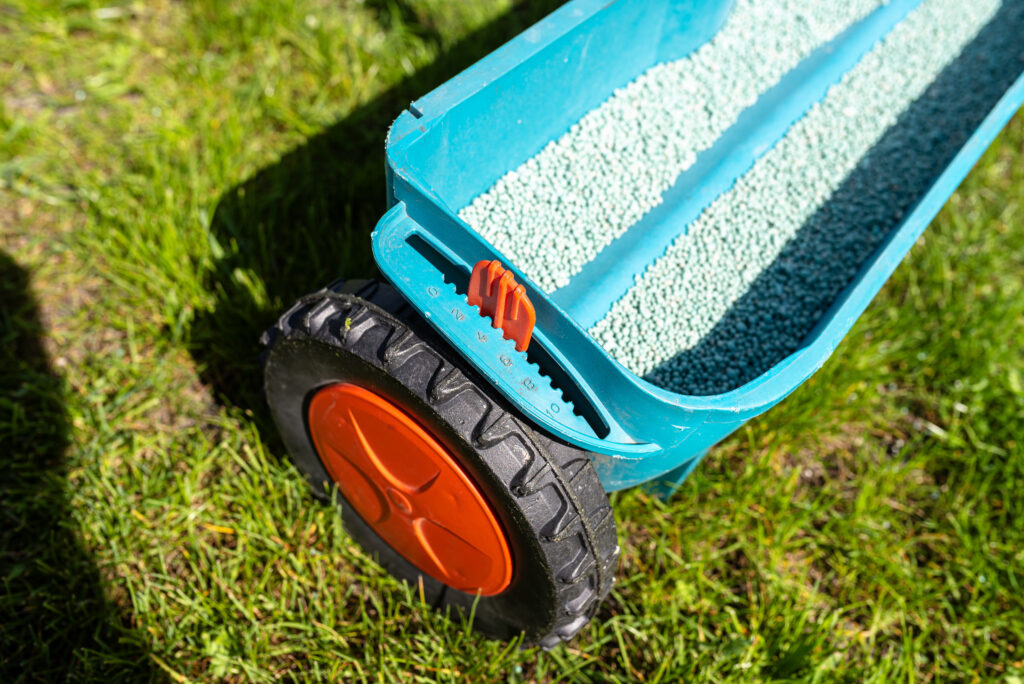
Most store-bought fertilization plans are designed for general conditions—not Milton-specific ones. That leads to common issues like:
- Fertilizer applied too early (before soil warms)
- Nutrients washing away due to excess moisture
- Uneven growth from improper nutrient balance
Professional lawn fertilization, on the other hand, is designed around real-world conditions—not generic schedules.
The Real Benefits of Professional Lawn Fertilization
When done correctly, fertilization impacts far more than just appearance.
What You Get With a Proper Program
- Stronger root systems that anchor your lawn
- Thicker turf density, reducing bare spots
- Improved resistance to weeds and disease
- Better drought tolerance during summer stress
- More consistent color across sun and shade areas
In our experience across Milton neighborhoods, thin or patchy lawns are rarely caused by bad grass—they’re usually caused by inconsistent or poorly timed nutrient applications.
When to Fertilize Your Lawn in Milton, MA
Timing is everything when it comes to professional lawn fertilization—and this is where most homeowners get it wrong.
The Ideal Fertilization Schedule
A well-managed lawn typically follows a multi-step seasonal approach:
Early Spring (Post-Winter Recovery)
- Supports recovery from snow damage
- Encourages early root activity
Late Spring (Growth & Density)
- Builds thickness before summer
- Helps crowd out weeds
Summer (Stress Management)
- Maintains lawn health during heat
- Prevents burnout and thinning
Early Fall (Root Development)
- One of the most important applications
- Strengthens roots before winter
Late Fall (Winter Prep)
- Stores nutrients for spring green-up
Why Timing Is Different in Milton
Here’s something we see all the time:
Homeowners fertilize as soon as the snow melts.
The problem? The soil is often still:
- Too cold
- Too wet
- Not actively growing
When that happens, fertilizer doesn’t absorb—it runs off or sits unused.
A professional approach waits until:
- Soil temperatures rise
- Grass shows active growth
- Moisture levels are balanced
That timing difference alone can dramatically impact results.
What a Professional Lawn Fertilization Program Includes
There’s a big difference between a one-time application and a true professional lawn fertilization program.
Key Components of a Professional Program
1. Multiple Applications Throughout the Year
Grass doesn’t need all nutrients at once. Feeding it gradually:
- Promotes steady growth
- Prevents weak, fast-growing blades
- Builds long-term strength
2. Season-Specific Nutrient Blends
Different times of year require different nutrients:
- Nitrogen for growth
- Potassium for stress resistance
- Phosphorus for root development
3. Weed Control Integration
Fertilization and weed control often go hand-in-hand:
- Pre-emergents prevent weeds before they start
- Post-emergents target existing problems
4. Soil Conditioning (When Needed)
In Milton’s compacted soils, improving structure is key:
- Better nutrient absorption
- Healthier root systems
Common Lawn Fertilization Mistakes (We See These Every Week)
Even well-intentioned homeowners can unintentionally hurt their lawns.
1. Fertilizing Too Early in Spring
This is the #1 issue in Milton.
Result:
- Nutrients wash away
- No benefit to the lawn
2. Over-Applying Fertilizer
More is not better.
Result:
- Lawn burn
- Excessive top growth
- Weak roots
3. Using the Wrong Fertilizer for the Season
Different formulas are needed at different times.
Result:
- Poor performance
- Increased weed pressure
4. Skipping Summer Applications
Many homeowners stop fertilizing in summer.
Result:
- Lawn weakens during stress
- More damage heading into fall
5. Inconsistent Treatment Schedule
Fertilizing once or twice a year isn’t enough.
Result:
- Patchy growth
- Uneven color
- Long-term decline
What We Actually See in Milton Lawns (Real-World Insight)
One of the biggest advantages of professional lawn fertilization is local experience.
Here’s what we regularly encounter:
- Lawns near sidewalks struggling from salt damage
- Shaded backyards needing adjusted nutrient timing
- Compacted areas from snow piles requiring aeration + fertilization
- Mixed sun/shade lawns growing unevenly
These aren’t things you’ll find in generic lawn care blogs—but they make all the difference in real results.
How Fertilization Fits Into a Bigger Lawn Care Strategy
Fertilization works best when it’s part of a complete plan.
Services That Maximize Fertilization Results
Aeration
- Breaks up compacted soil
- Improves nutrient absorption
Overseeding
- Fills in thin or bare areas
- Works best when paired with fall fertilization
Seasonal Cleanups
- Removes debris that blocks growth
- Prepares lawn for treatment
Together, these services create a lawn that doesn’t just look good—it stays healthy long-term.
FAQs About Professional Lawn Fertilization in Milton, MA
When is the best time for professional lawn fertilization?
The best time depends on soil temperature and growth, not the calendar. In Milton, early spring fertilization should wait until active growth begins, while fall applications are critical for root development.
How much does professional lawn fertilization cost?
Costs vary based on:
- Lawn size
- Number of applications
- Additional services (weed control, aeration, etc.)
Most homeowners invest in seasonal programs, which often save money by preventing costly lawn repairs later.
Is professional lawn fertilization really necessary?
In Milton—yes.
Due to soil conditions and climate, lawns often don’t receive consistent nutrients naturally. Professional fertilization ensures:
- Stronger growth
- Better density
- Fewer weed problems
A Simple Tip That Makes a Huge Difference
If you take one thing from this article, let it be this:
Don’t fertilize too early.
We see it every year—fertilizer goes down right after snow melt, and it ends up doing nothing.
Instead:
- Wait for consistent growth
- Let the soil dry out
- Apply at the right time
That one adjustment can completely change your results.
Final Thoughts: Why Professional Lawn Fertilization Is Worth It
At the end of the day, lawns in Milton aren’t “difficult”—they’re just specific.
They require:
- The right timing
- The right products
- The right strategy
That’s exactly what professional lawn fertilization provides.
We’ve seen firsthand how a properly managed program can transform:
- Thin lawns into thick, green turf
- Patchy yards into consistent coverage
- Struggling properties into standout landscapes
And it’s not about doing more—it’s about doing things the right way.
Ready to Get Your Lawn Back on Track?
If your lawn has been inconsistent, patchy, or just not performing the way it should, a professional fertilization program could be the difference.
At Molloy Lawn & Landscape, we tailor every program to real Milton conditions—not generic schedules.
👉 Reach out to Molloy Lawn & Landscape today for a free consultation, and let’s build a plan that actually works for your lawn