
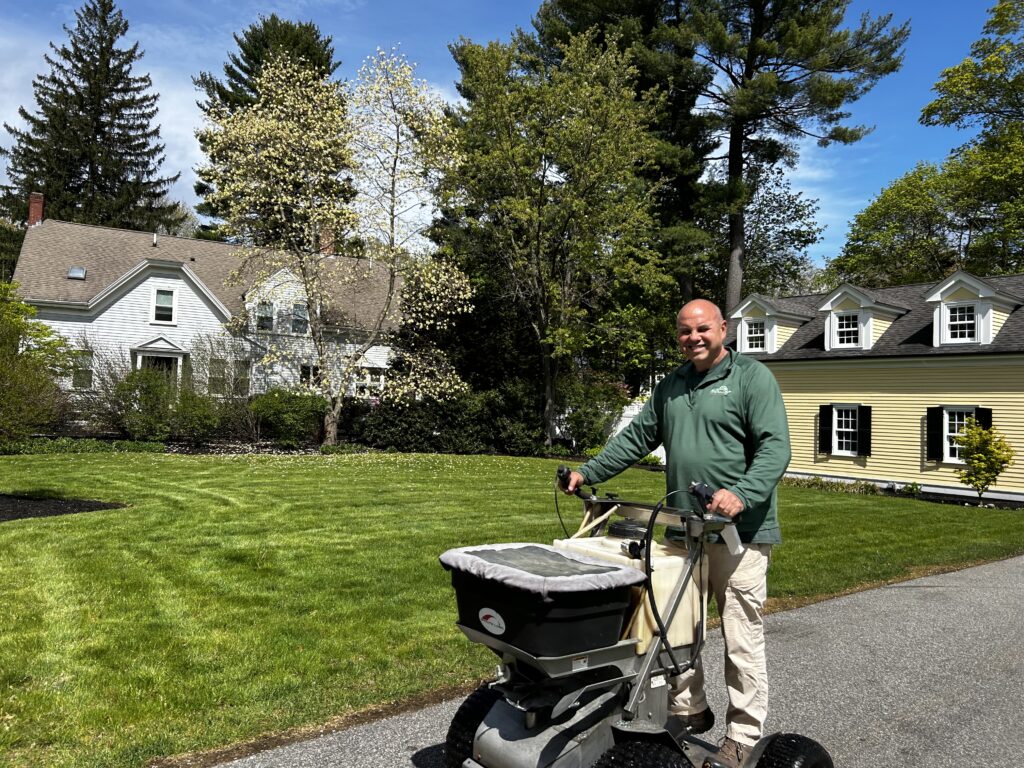
If you live in Milton, you already know – lawns here can be tough.
Between the heavy clay soil, long winters, and those stretches of spring rain that seem to hang around forever, it doesn’t take much for a lawn to start struggling. And most homeowners we talk to are doing the right things: mowing regularly, watering when they can, maybe even putting down fertilizer a few times a year.
But here’s the reality…
A lot of lawns in Milton aren’t struggling because homeowners aren’t trying hard enough. They’re struggling because the problem runs deeper than what DIY can fix.
At Molloy Lawn & Landscape, we’re on properties across Milton, Quincy, Braintree, and surrounding areas every week. And we tend to see the same patterns over and over – lawns that look decent from a distance, but up close are thinning out, full of weeds, or dealing with soil that’s working against them.
This isn’t about doing more work – it’s about knowing when it’s time to switch to professional lawn care and actually fix what’s going on beneath the surface.
Here are five signs we see all the time that tell us a lawn needs more than a weekend fix.
1. You’re Fighting the Same Weeds Every Year
If it feels like you’re stuck in a cycle – pulling weeds, spraying something, and then watching them come right back – you’re not alone.
We see this all the time in Milton.
What’s really going on
Weeds like crabgrass, clover, and dandelions don’t just show up randomly. They take advantage of lawns that are:
- Thin or stressed
- Lacking nutrients
- Compacted or poorly drained
So even if you knock them down temporarily, they keep coming back because the conditions haven’t changed.
Where DIY falls short
Most store-bought weed control products treat what you can see—but not why it’s happening.
What we do differently
With professional lawn care, the goal is to break the cycle:
- Soil testing to understand what your lawn actually needs
- Pre-emergent treatments timed to local conditions
- Targeted weed control (not guesswork)
- Strengthening the turf so weeds have less room to grow
👉 Around Quincy and Braintree, crabgrass is a big one. Timing is everything, and it’s one of the biggest reasons DIY results fall short.
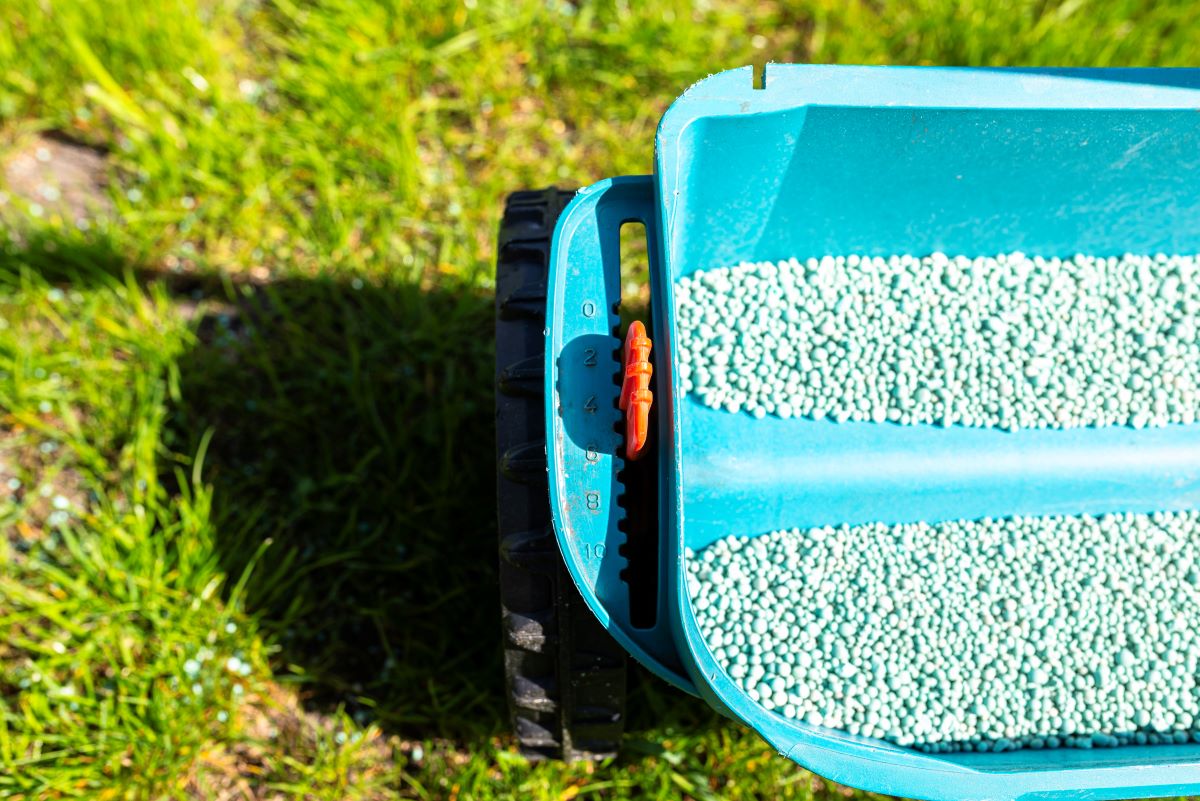
2. Your Lawn Is Thin, Patchy, or Bare in Spots
A healthy lawn in Milton should feel thick when you walk on it. If you’re seeing thin areas or bare patches that never seem to fill in, something underneath is holding it back.
What we typically find
Nine times out of ten, it comes down to:
- Compacted soil
- Poor seed-to-soil contact
- Insect damage (like grubs)
- Or just weak turf that can’t compete
Why this matters
Thin lawns don’t just look uneven—they open the door for weeds, dry out faster, and struggle all season long.
How we fix it
This is where professional lawn care makes a noticeable difference:
- Core aeration to loosen compacted soil
- Overseeding with grass that actually performs well in Massachusetts
- Topdressing to improve soil structure
- Identifying and treating any underlying issues
👉 In areas like Hyde Park and Avon, we often see compaction from foot traffic or equipment. Aeration alone can completely change how those lawns respond.
3. Your Grass Looks Yellow, Dull, or Just “Off”
If your lawn used to be green and now looks faded, uneven, or slightly yellow, there’s usually a reason behind it.
What could be causing it
- Nutrient deficiencies
- Soil pH issues
- Watering habits
- Disease or insect activity
The common mistake
A lot of homeowners try to fix this by adding more fertilizer—but without knowing what the lawn actually needs.
Sometimes that helps… sometimes it doesn’t.
A better approach
With professional lawn care, we take the guesswork out:
- Soil testing to pinpoint deficiencies
- Custom fertilization plans (not one-size-fits-all)
- Addressing underlying problems like fungus or pests
👉 We see this often in Canton and Holbrook—lawns that just won’t green up properly due to iron deficiencies. Once that’s corrected, the difference is immediate.
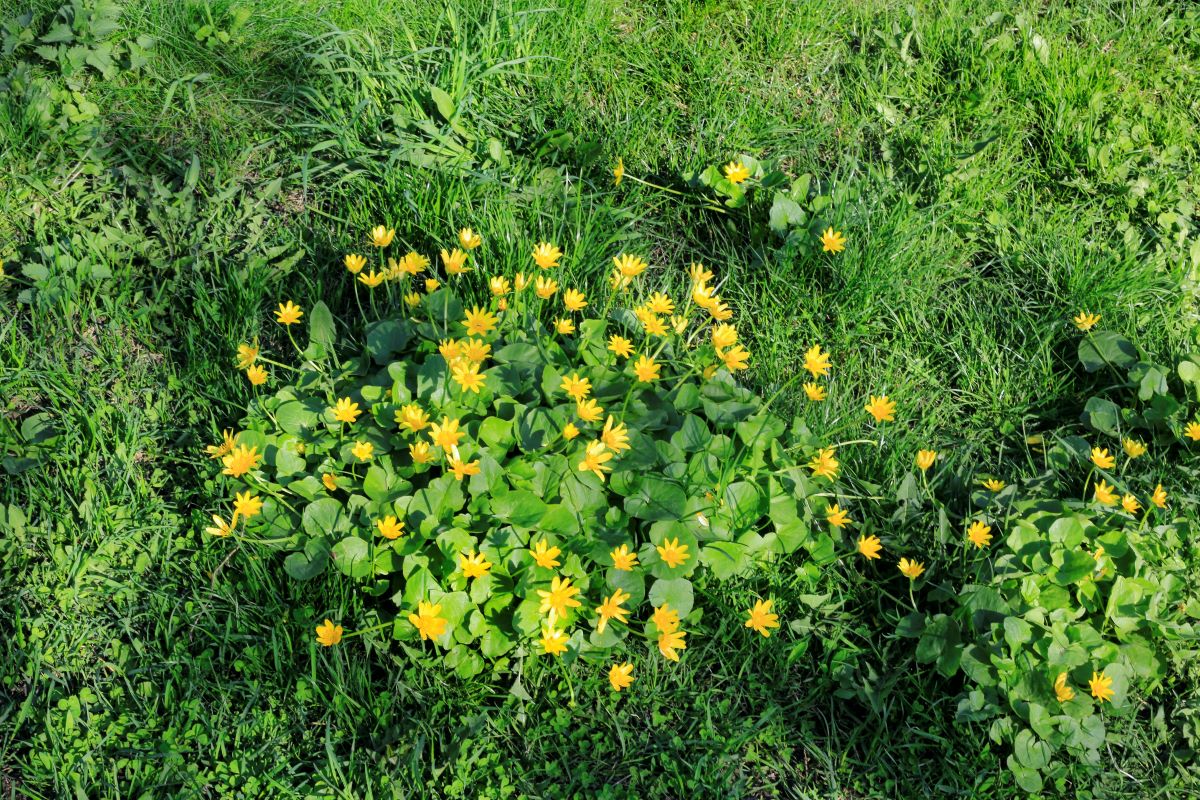
4. Your Lawn Feels Spongy or Isn’t Absorbing Water
Here’s something most homeowners don’t think about: what’s happening between the grass and the soil.
If your lawn feels soft or spongy, or water seems to sit on top instead of soaking in, you could be dealing with thatch buildup.
What thatch does
A small layer is normal. But too much:
- Blocks water and nutrients
- Limits airflow to the roots
- Encourages shallow growth
Why it becomes a problem
Over time, this weakens the lawn and makes it more vulnerable to stress and disease.
How we handle it
- Dethatching when needed
- Aeration to improve airflow and absorption
- Adjusting mowing practices to prevent buildup
👉 Near coastal areas like Hingham, we tend to see more thatch-related issues due to environmental conditions.
5. Your Lawn Stays Wet, Soggy, or Never Fully Dries Out
If your lawn feels wet long after it rains, or you notice pooling water in certain areas, this is one of the clearest signs it’s time for professional help.
Why this is so common in Milton
Heavy clay soil holds water and compacts easily. Add in spring rain, and you’ve got the perfect setup for drainage problems.
What you might notice
- Standing water
- Soft, muddy areas
- Grass thinning or dying in low spots
- Increased weed growth
What actually works
This is one of the biggest areas where professional lawn care makes a real difference:
- Core aeration to open up the soil
- Compost topdressing to improve structure
- Long-term soil health improvements
- Drainage solutions if needed
👉 Honestly, this is one of the most common issues we deal with in Milton—and once it’s addressed, lawns usually turn around quickly.
Why Local Experience Really Matters
Lawn care in Milton isn’t the same as lawn care in other parts of the country.
You’re dealing with:
- Dense, compacted soil
- Cold winters and wet springs
- Humid summers
- Constant pressure from weeds and disease
That’s why working with a local team matters.
At Molloy Lawn & Landscape, we’re not guessing; we’re working with the same conditions every day. We know what works here, what doesn’t, and how to adjust based on your specific property.
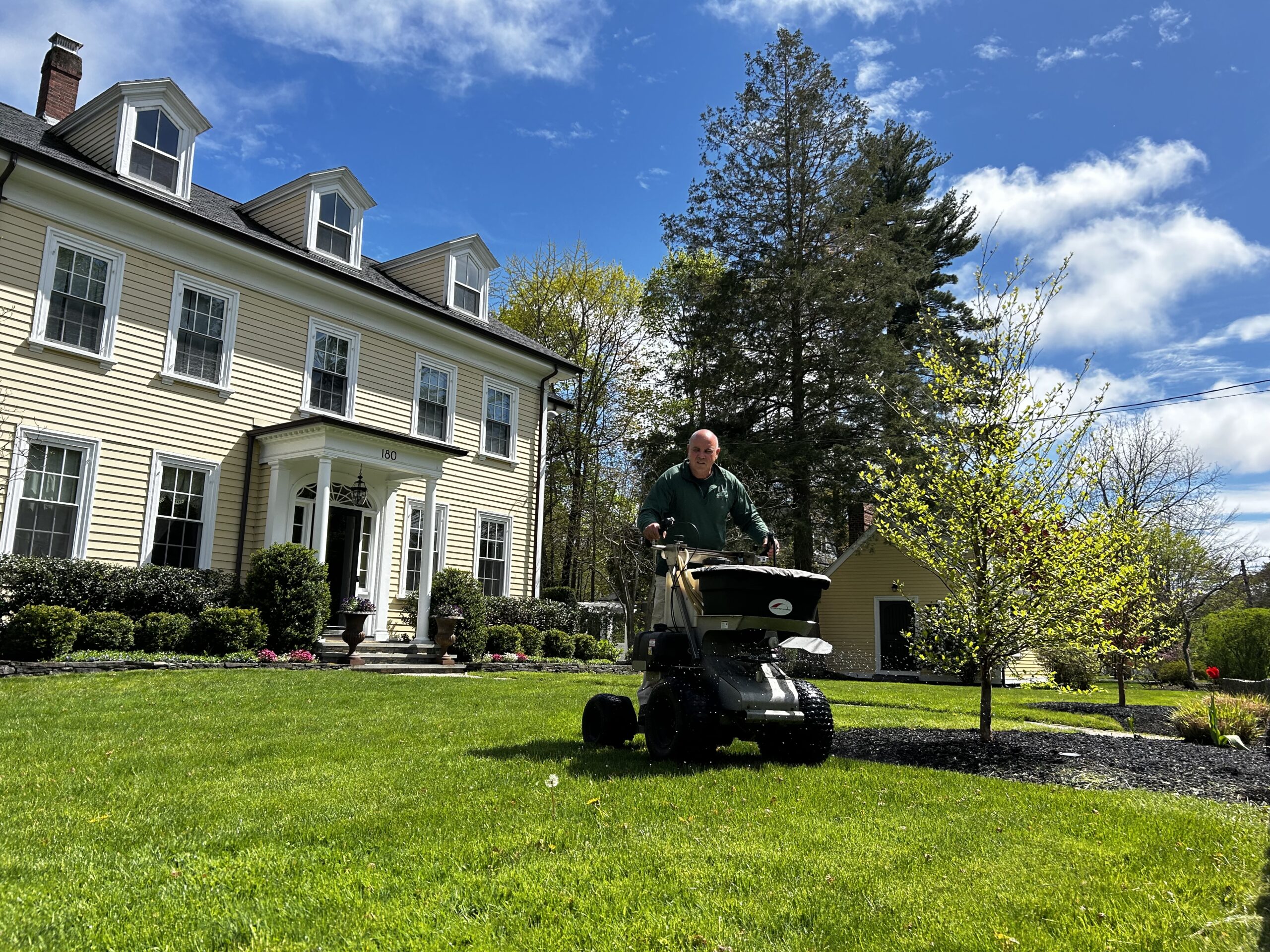
A Quick Win: Why Aeration Makes Such a Big Difference
If there’s one service that consistently improves lawns in Milton, it’s core aeration.
It helps:
- Break up compacted soil
- Improve drainage
- Allow nutrients to reach the roots
- Promote thicker, healthier growth
For many homeowners, this is the point where things start to turn around.
Is It Time to Move Beyond DIY?
There’s nothing wrong with taking care of your lawn yourself.
But if you’re seeing the same issues year after year, despite putting in the effort, it’s probably time to take a different approach.
That’s where professional lawn care comes in.
Not just to treat the symptoms, but to fix what’s actually causing the problem.
Let’s Take a Look at Your Lawn
If your lawn in Milton isn’t where you want it to be, we’re happy to take a look and give you honest feedback—no pressure.
👉 Reach out to Molloy Lawn & Landscape today for a free consultation, and let’s build a plan that actually works for your lawn