
What Happens to Your Lawn Under Snow? (The Science Explained)
When your lawn disappears under a blanket of snow, it can feel like everything simply goes dormant until spring. No mowing. No fertilizing. No weeds. Out of sight, out of mind.
But beneath that snow cover, a surprising amount of activity is happening.
Understanding what happens to your lawn under snow helps homeowners in Massachusetts protect their turf, prevent spring problems, and plan smarter lawn care once winter fades. This is where science meets lawn care — and where winter decisions can make or break spring results.
Let’s break it down.
Snow Is More Than Just Frozen Water
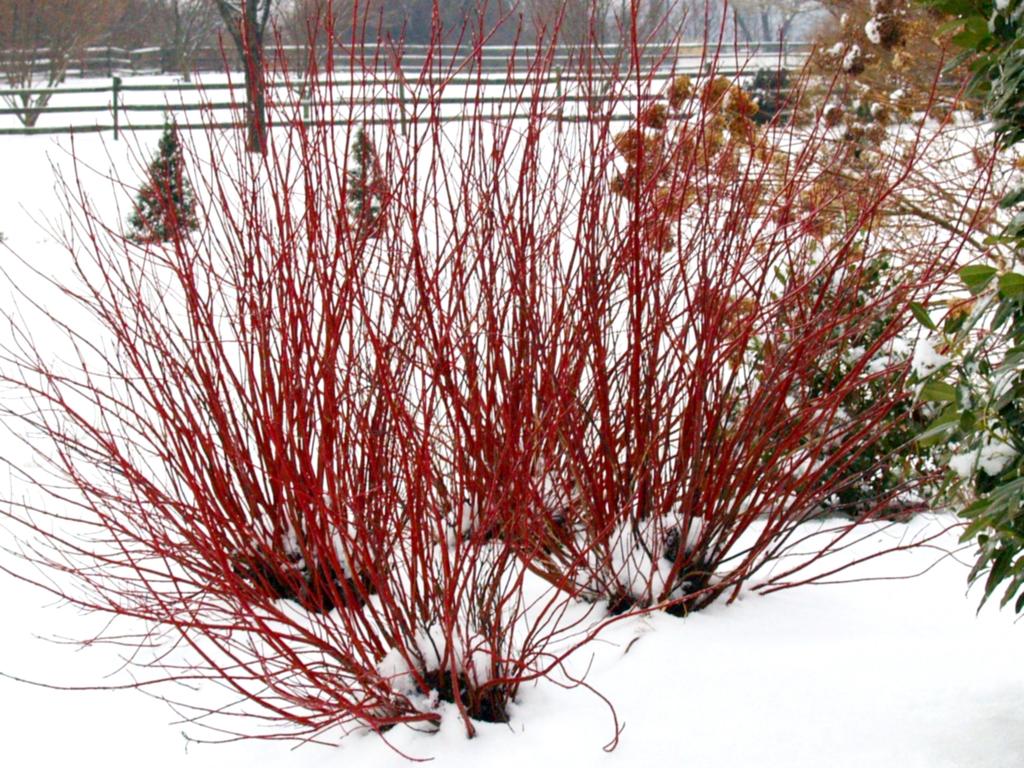
Snow often gets a bad reputation, but for lawns, it can actually be beneficial.
Snow as Natural Insulation
One of the most important things snow does is act as a thermal blanket.
-
Snow traps air pockets, which insulate the soil
-
It protects grass crowns from extreme temperature drops
-
It reduces wind exposure and moisture loss
In Massachusetts winters, where temperatures can swing dramatically, snow helps keep soil temperatures more stable.
Without snow cover, turfgrass is exposed directly to:
-
Frigid air temperatures
-
Dry winter winds
-
Sudden temperature drops
This exposure increases the risk of winterkill, especially in thin or stressed lawns.
What Happens Beneath the Snow?
Even though grass isn’t actively growing, it’s far from lifeless.
Grass Goes Dormant — Not Dead
Cool-season grasses common in Massachusetts (like fescue and bluegrass) enter dormancy during winter. Dormancy allows the grass to conserve energy and protect itself until favorable conditions return.
During this phase:
-
Growth slows dramatically
-
Roots remain alive
-
Energy is stored for spring green-up
Snow cover helps maintain the conditions needed for this survival mode.
Freeze-Thaw Cycles: The Real Winter Stress Test
One of the most damaging winter processes for lawns isn’t cold alone — it’s freeze-thaw cycles.
What Are Freeze-Thaw Cycles?
Freeze-thaw cycles occur when:
-
Temperatures rise above freezing during the day
-
Soil freezes again overnight
This repeated expansion and contraction affects both soil and grass roots.
How Freeze-Thaw Cycles Affect Lawns
-
Soil shifts and loosens
-
Grass crowns can be lifted out of the soil (called heaving)
-
Roots become exposed and vulnerable
-
Water movement increases soil instability
Snow helps minimize these effects by buffering temperature swings. Lawns with inconsistent snow cover are more likely to experience damage.
Soil Compaction: The Hidden Winter Problem
Soil compaction doesn’t stop just because it’s cold.
How Compaction Happens in Winter
-
Foot traffic over frozen turf
-
Snow piles from plowing
-
Equipment repeatedly passing over the same areas
Frozen soil may feel solid, but repeated pressure compresses soil particles together.
Why Compaction Matters
Compacted soil:
-
Restricts root growth
-
Reduces oxygen availability
-
Prevents proper water infiltration
-
Slows spring recovery
This is why professional snow management avoids piling snow in the same spots repeatedly and limits unnecessary traffic on lawns.
Snow Mold: The Winter Lawn Fungus You Don’t See Coming
One of the most common spring surprises for Massachusetts homeowners is snow mold.
What Is Snow Mold?
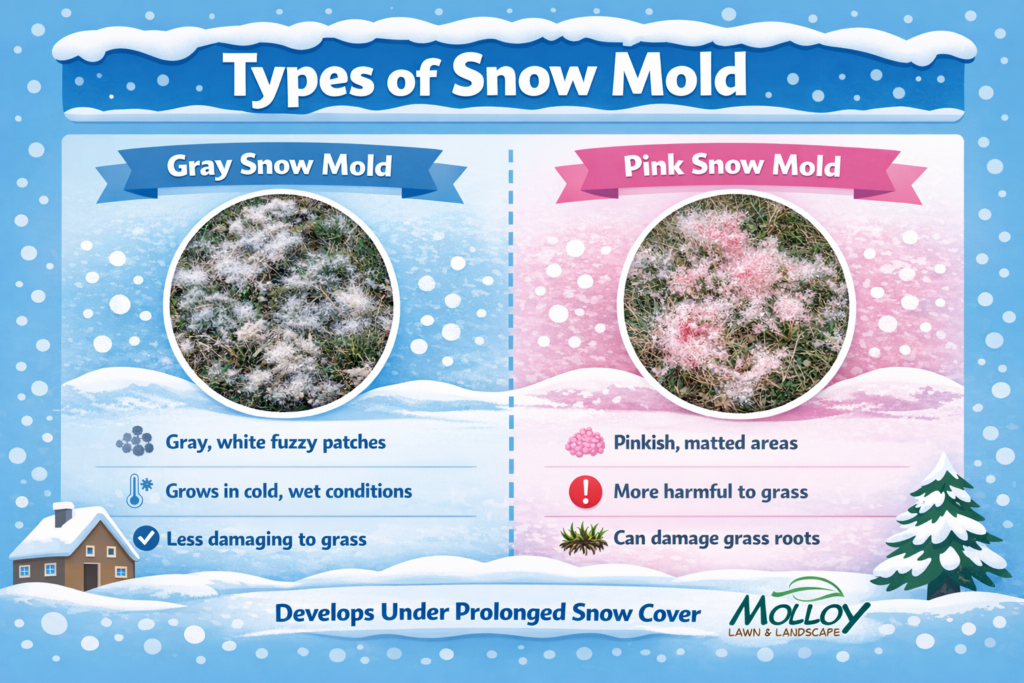
Snow mold is a fungal disease that develops under prolonged snow cover. It thrives in cool, moist environments — exactly what exists beneath snow that lingers for weeks.
There are two main types:
-
Gray snow mold
-
Pink snow mold (more damaging)
What Snow Mold Looks Like
After snow melts, you may notice:
-
Circular patches of matted grass
-
White, pink, or gray web-like growth
-
Straw-colored or bleached turf
Snow mold doesn’t usually kill lawns outright, but it can weaken turf significantly if left untreated.
Why Some Lawns Get Snow Mold and Others Don’t
Snow mold isn’t random.
Risk factors include:
-
Excessive fall fertilization
-
Long grass going into winter
-
Poor drainage
-
Heavy snow piles
-
Shaded areas
Lawns that were stressed in fall are far more vulnerable once snow arrives.
How Ice and Snow Melt Products Play a Role
Ice management matters more than most homeowners realize.
Salt Damage Under Snow
When salt-based ice melt dissolves:
-
It seeps into soil
-
Disrupts nutrient balance
-
Damages grass roots
Repeated exposure weakens turf and contributes to slow spring green-up and bare patches.
Why Your Lawn Looks Rough in Spring (And Why That’s Normal)
After months under snow, lawns often emerge:
-
Matted down
-
Pale or yellow
-
Patchy in high-traffic areas
This doesn’t mean your lawn failed. It means it survived winter.
Spring recovery depends heavily on:
-
Soil condition
-
Root health
-
Pre-winter lawn care
-
Winter traffic management
This is where early spring services make a big difference.
How Spring Lawn Care Fixes Winter Damage
Understanding what happens to your lawn under snow explains why spring services matter.
Key Spring Recovery Steps
-
Raking and debris removal to reduce matting
-
Aeration to relieve compaction
-
Overseeding to repair thin areas
-
Balanced fertilization to support regrowth
-
Disease monitoring for lingering snow mold
Lawns that receive professional attention early recover faster and more evenly.
Why Winter Lawn Science Helps You Make Better Decisions
Knowing what happens beneath the snow helps homeowners:
-
Avoid unnecessary winter damage
-
Recognize normal vs problematic spring issues
-
Plan proactive lawn care instead of reactive fixes
-
Protect long-term turf health
Winter isn’t a pause button — it’s a preparation phase.
Snow Isn’t the Enemy
Snow isn’t something lawns simply endure — it’s something they adapt to.
By understanding what happens to your lawn under snow, Massachusetts homeowners can appreciate the science at work and make smarter choices year-round. From insulation and freeze-thaw cycles to soil compaction and snow mold, winter conditions shape how lawns perform in spring.
Planning ahead, limiting winter stress, and scheduling early spring lawn care services all help ensure a healthier, stronger lawn once the snow melts.
With more than 60 years of experience serving the South Shore, Molloy Lawn & Landscape understands how New England’s seasons impact lawns from winter snow cover to spring green-up and beyond. Our year-round approach to lawn care is built on local knowledge, proven science, and long-term results — not quick fixes. Whether it’s protecting your turf through winter, addressing snow mold in early spring, or building a healthier lawn for the growing season ahead, our team is committed to caring for your property as if it were our own. When you choose Molloy, you’re choosing decades of trusted expertise rooted right here in the South Shore.
Contact Us
Call: (617) 333-6900