
Winter Pruning Tips: The Best Time to Shape, Strengthen & Protect Your Landscape
When temperatures drop and your landscape settles into dormancy, most homeowners assume it’s time to step back and wait for spring. But winter is actually one of the most important and beneficial times of year for pruning. With the leaves gone and growth halted, you can shape your trees and shrubs, remove hazards, encourage healthier spring growth, and keep your landscape looking intentional rather than overgrown.
In New England communities like Milton, Braintree, Canton, Hyde Park, Dorchester, and Quincy, winter pruning is not just a maintenance task; it’s a strategic investment in the long-term health of your landscape. These winter pruning tips can help you understand what to prune, how to prune correctly, and the advantages of doing it during the dormant season. And if you’d rather leave the pruning to a team of experts, Molloy Lawn & Landscape is here with professional winter pruning services tailored to your property.
Why Winter is the Best Time for Pruning
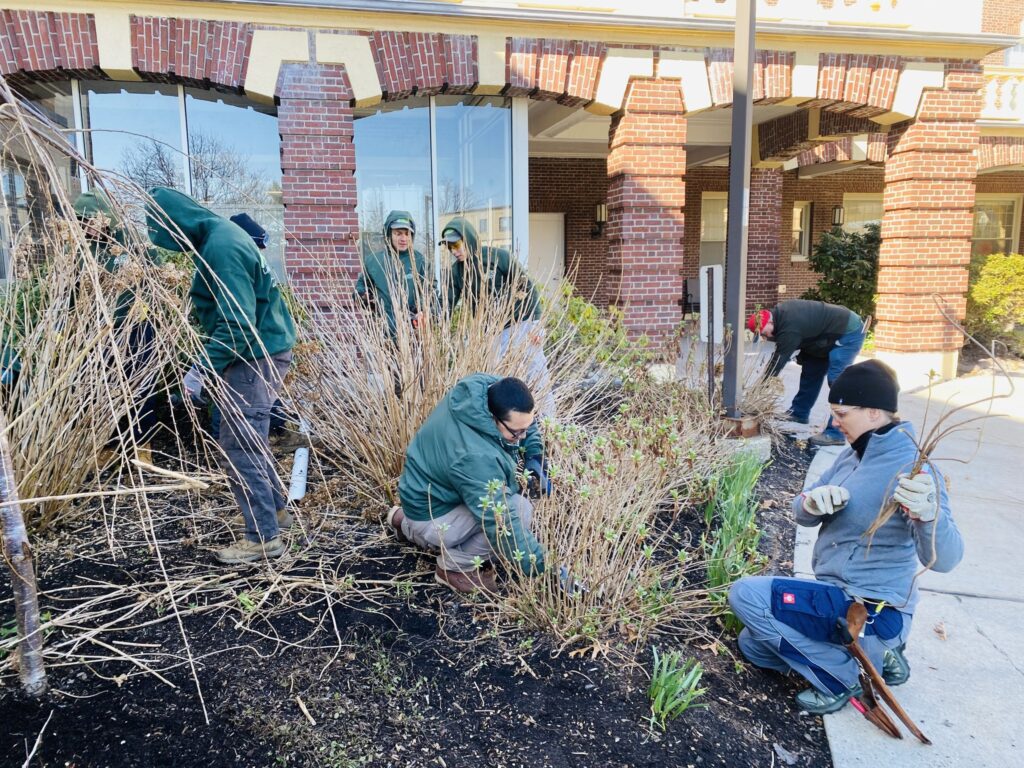
Before reviewing winter pruning tips or specific plant varieties, it’s important to understand why winter pruning is so effective.
1. Plants Are Dormant—Meaning Less Stress
During dormancy, trees and shrubs are not actively growing. Cutting during this time puts significantly less stress on the plant and encourages vigorous regrowth in spring.
2. Better Visibility & Precision
Without leaves in the way, you can clearly see:
-
Branch structure
-
Dead or damaged limbs
-
Crossing or rubbing branches
-
Overall tree shape
This allows for cleaner, more strategic cuts.
3. Reduced Risk of Disease
Many common plant diseases—fire blight, for example—spread more easily during spring and summer. Winter pruning reduces the risk of transmission.
4. Faster Healing in Spring
Pruned branches callus quickly once growth resumes, helping seal wounds naturally.
5. Improved Safety
Winter storms can break weak, dead, or overextended branches. Removing them early prevents:
-
Property damage
-
Personal injury
-
Emergency tree work
Plants, Shrubs & Trees in New England That Benefit from Winter Pruning
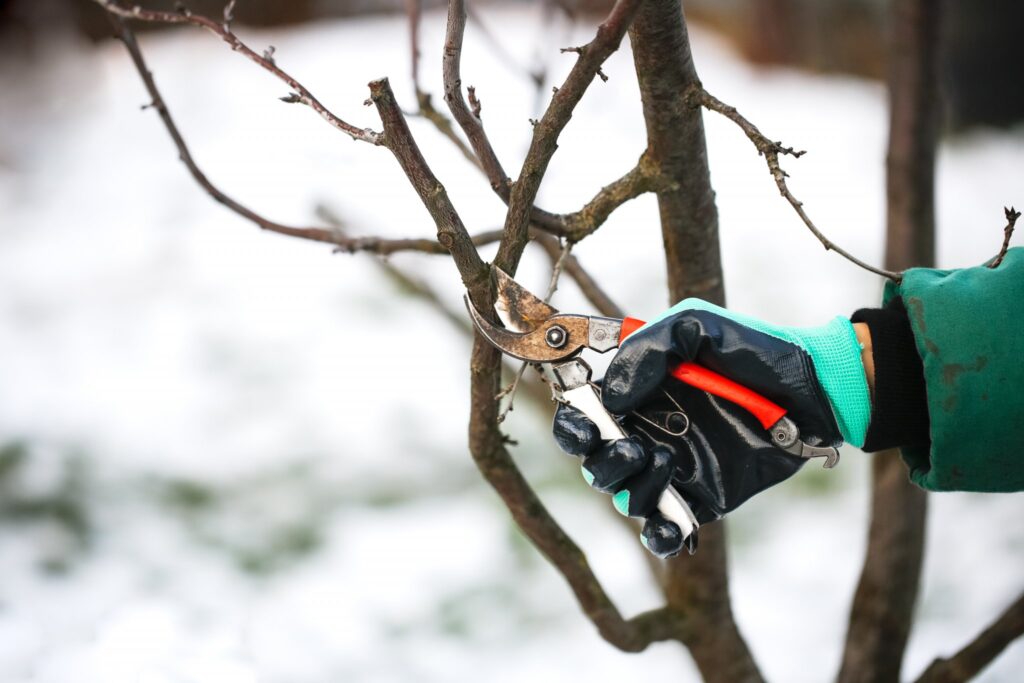
New England landscapes feature a diverse mix of flowering shrubs, ornamental trees, and classic hardwoods. Here are some of the most common species in Milton, Braintree, Canton, Hyde Park, Dorchester, and Quincy that benefit from winter pruning.
Trees That Should Be Pruned in Winter
1. Maple Trees (Sugar Maple, Red Maple)
Winter is ideal because these trees “bleed” sap heavily in spring. Pruning during dormancy reduces excessive sap flow and prevents stress.
2. Oak Trees
Oaks should always be pruned in winter to prevent oak wilt, a serious fungal disease active in warmer months.
3. Apple & Pear Trees
These fruit trees thrive when pruned during dormancy:
-
Encourages fruit production
-
Shapes the tree for better sunlight penetration
-
Prevents overcrowding of branches
4. Birch Trees
Like maples, birches bleed in spring. Winter pruning minimizes sap loss.
5. Dogwoods
Winter pruning helps strengthen structure and control size, helping prevent disease in the growing season.
6. Spruce, Fir, and Pine
Evergreen conifers respond well to light winter pruning, especially to remove dead or damaged limbs.
Shrubs That Should Be Pruned in Winter
1. Hydrangeas (Panicle & Smooth Varieties)
Varieties like Hydrangea paniculata and Hydrangea arborescens bloom on new wood—meaning winter pruning encourages larger, healthier blooms.
2. Roses (Shrub Roses, Knockout Roses)
Pruning in late winter:
-
Improves airflow
-
Removes old canes
-
Promotes strong spring growth
3. Butterfly Bush
Can be cut back significantly in winter to encourage compact, robust warm-season growth.
4. Spirea
Winter pruning keeps shrubs dense and manageable while encouraging abundant blooms.
5. Viburnum
Light winter pruning improves shape and helps remove damaged or crossing branches.
Shrubs and Trees That Should NOT Be Pruned in Winter
For clarity—these should be pruned right after blooming, not in winter:
-
Lilac
-
Forsythia
-
Rhododendron
-
Azalea
-
Spring-blooming hydrangeas
-
Magnolia
-
Weigela
Winter pruning removes next season’s flower buds.
Essential Winter Pruning Tips & Techniques
Pruning is both an art and a science. These winter pruning tips will help ensure healthy, safe, and effective results.
1. Use the Right Tools
Quality tools make clean cuts that heal properly.
Recommended tools:
-
Hand pruners (for small branches)
-
Loppers (for medium branches)
-
Pruning saw (for larger limbs)
-
Pole pruner (for overhead branches)
Always clean tools before and after use to reduce disease spread.
2. Follow the 3-Cut Method for Large Branches
Prevent bark tearing by using this technique:
-
Make an undercut 6–12 inches from the trunk.
-
Cut through the branch from the top a few inches farther out.
-
Remove the remaining stub just outside the branch collar.
This reduces injury and promotes proper healing.
3. Never Cut Into the Branch Collar
The branch collar contains specialized tissue that seals wounds. Cutting into it:
-
Slows healing
-
Increases disease risk
Always cut just outside the collar.
4. Remove the 4 D’s: Dead, Diseased, Damaged, and Dangerous Wood
Winter makes it easy to identify:
-
Dead limbs
-
Split or cracked branches
-
Branches rubbing against each other
-
Weak crotches or unstable limbs
These should be removed first.
5. Avoid Over-Pruning
A common mistake is cutting too much too fast. Removing more than 25–30% of a plant at once can stress it, even in winter.
6. Shape With Purpose
For trees, aim for:
-
A single central leader
-
Well-spaced lateral branches
-
No narrow branch angles
For shrubs, aim to maintain:
-
Natural form
-
Adequate airflow
-
Compact, dense structure
7. Prune on a Dry Day
Moisture encourages fungi and bacteria. Dry, cool days are ideal for pruning.
Benefits of Winter Pruning
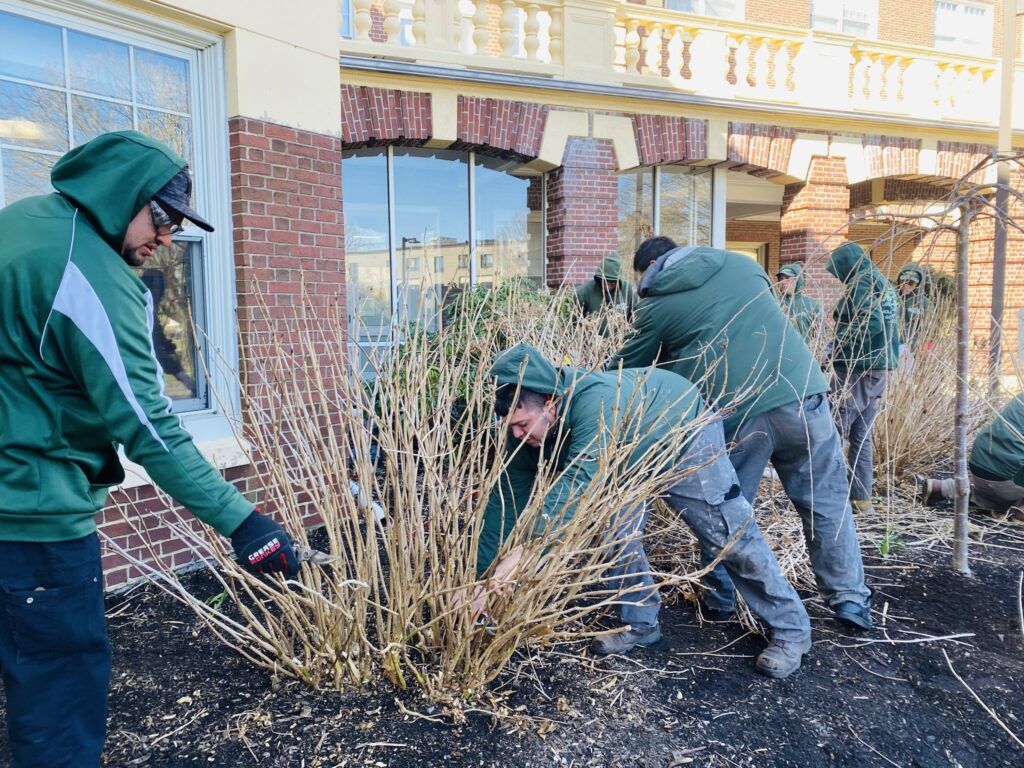
Winter pruning offers numerous advantages—not just for plant health, but also for property safety and convenience.
1. Stronger Spring Growth
Winter cuts stimulate vigorous new shoots when warm weather returns. This results in stronger, fuller plants.
2. Improved Appearance
Shaping trees and shrubs in winter sets the stage for a polished landscape all year long.
3. Disease Prevention
Winter pruning reduces sap flow and limits the spread of fungal spores.
4. Reduced Risk of Storm Damage
Removing weak limbs prevents them from falling during:
-
Snowstorms
-
Ice buildup
-
High winter winds
5. Cost-Effective & Efficient
Winter pruning is easier because:
-
Branch structure is visible
-
There’s no foliage to work around
-
Ground is often firmer (especially for equipment access)
Homeowners often save money by addressing issues before emergency tree work becomes necessary.
Why Hire Molloy Lawn & Landscape for Winter Pruning?
Winter pruning can be dangerous and physically demanding—especially when working on mature trees or heavy limbs. Molloy Lawn & Landscape provides professional, safe, and precise pruning throughout Milton, Braintree, Canton, Hyde Park, Dorchester, Quincy, and nearby communities.
Our Winter Pruning Services Include:
-
Tree and shrub structural pruning
-
Deadwood removal
-
Hazard limb removal
-
Ornamental tree shaping
-
Fruit tree pruning for optimal performance
-
Evergreen trimming
-
Landscape-wide pruning evaluations
Why Homeowners Choose Us:
-
Local experts with decades of New England experience
-
Safe and insured pruning services
-
Knowledge of proper seasonal pruning timing
-
High-quality equipment for clean, healthy cuts
-
Eye for horticultural detail and plant health
We ensure every cut supports long-term growth, safety, and beauty.
Schedule Your Winter Pruning With Molloy Lawn & Landscape
Winter is the ideal time to get ahead of your landscape needs. Whether you want safer trees, healthier shrubs, or a more beautiful spring landscape, our pruning specialists can help.
Book your winter pruning now and protect your property before harsh weather hits.
Visit: https://molloylandscape.com/
Call: (617) 333-6900